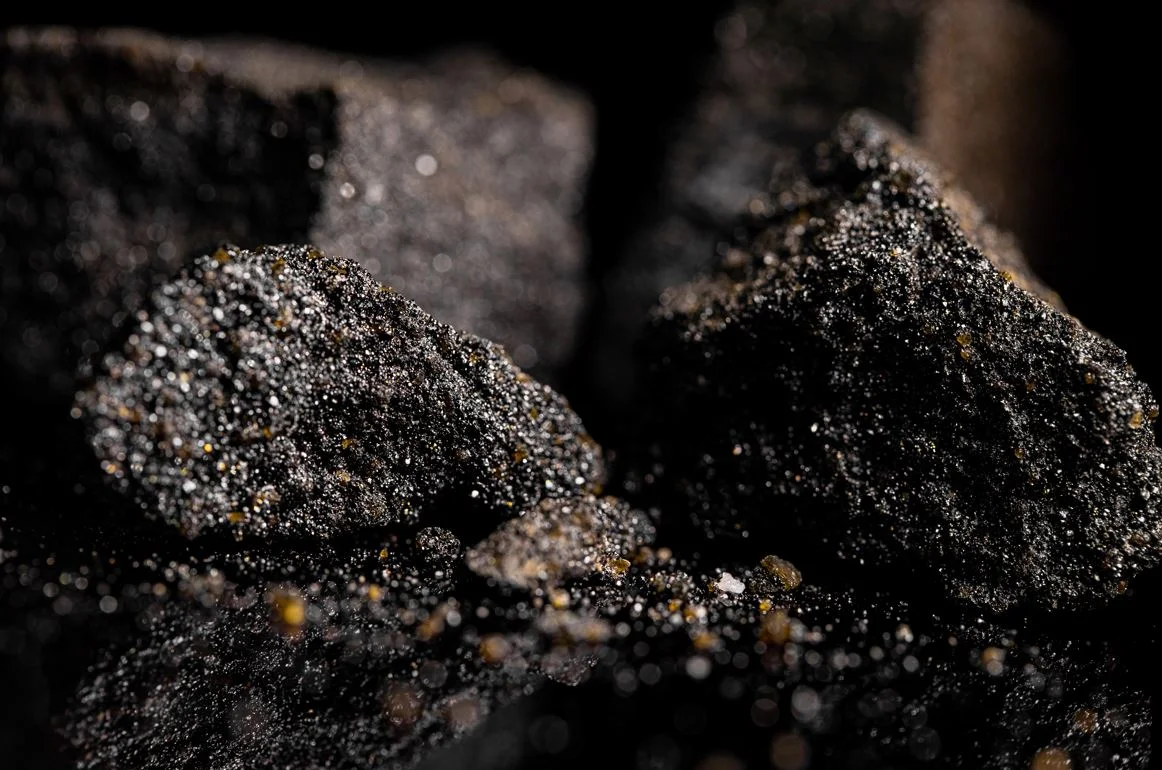
Premium Moss Agate (Manganese-Based, Low-Iron <8%)
Overview: A High-Value Manganese Ore
Welcome to the information page for our premium grade Moss Agate ore. This specific material is a manganese dioxide (MnO₂) based ore, distinguished its unique mineral patterns , most importantly, its exceptionally low iron content of less than 8%.
This page is designed to explain what makes this ore special why it comms a premium price from ferroalloy smelters.
Key Characteristics & Specifications
- Primary Mineral: Manganese Dioxide (MnO₂)
- Ore Type: Moss Agate / Psilomelane Group
- Key Differentiator: Iron (Fe) Content: < 8%
- Typical Mn Content: 35% – 55% (Depending on specific lot beneficiation)
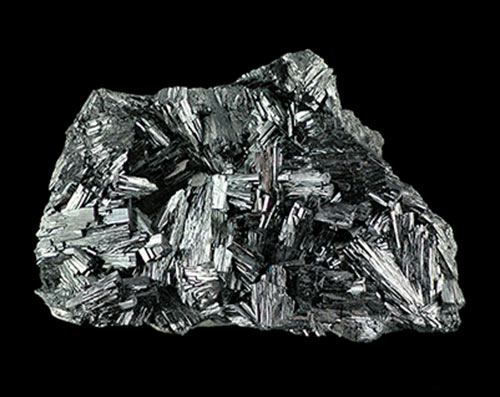
- Appearance: Characteristic black to dark gray with dendritic, moss-like or botryoidal (grape-like) surface patterns.
- Hardness: High, often between 5-6 on the Mohs scale.
Why the <8% Iron Specification is Critical:
In manganese ore trading, iron is the most significant penalty element. Our Moss Agate’s naturally low iron content is its primary value driver, making it a sought-after feedstock for producing high-grade manganese alloys.
Why Smelters Pay a Premium for Low-Iron Moss Agate
Smelters specializing in high-value ferroalloys actively seek out ores with our specifications. Here’s a breakdown of the technical economic reasons why.
1. Production of High-Grade Ferromanganese (FeMn)
- Stard Ferromanganese typically requires a high Mn/Fe ratio (around 7.5:1). Ores with high iron content make it difficult or impossible to achieve the desired alloy specification without extensive costly blending with purer, more expensive ores.
- Our Moss Agate, with its low iron content, provides a high Mn/Fe ratio naturally. This simplifies the smelting process allows for the consistent production of High-Carbon Ferromanganese (HC FeMn) that meets international stards (e.g., Mn 78%, C 7.5%, Si 1.2%, Fe balance).
2. Essential for Silicomanganese (SiMn) Production
- Silicomanganese is one of the most widely used manganese alloys. Its production has a strict chemical requirement: a low phosphorus content a high Mn/Fe ratio.
- The manganese-to-iron ratio in the raw ore directly dictates the ratio in the final SiMn alloy. Using our low-iron Moss Agate allows smelters to produce stard or even high-purity Silicomanganese without being constrained excessive iron, which would downgrade the alloy.
3. Flexibility in Blending Cost Efficiency
- Smelters often blend different ores to achieve the perfect chemical balance for a specific alloy batch. Our low-iron Moss Agate acts as a “sweetener” ore.
- It can be blended with cheaper, higher-iron ores to bring the overall furnace charge down to an acceptable iron level. This provides smelters with significant cost-saving flexibility while maintaining final product quality.
4. Reduced Slag Volume Operational Efficiency
- Iron that enters the furnace but isn’t required for the final alloy ends up as waste in the slag, along with other impurities.
- Lower iron content means less slag. Reducing slag volume has multiple benefits:
- Lower Energy Consumption: Less energy is wasted heating melting inert slag material.
- Higher Manganese Yield: More efficient recovery of manganese into the alloy.
- Reduced Flux Consumption: Less flux (like limestone) is needed to control slag chemistry.
- Increased Furnace Throughput: With less slag, the furnace can potentially process more ore per tap, increasing overall productivity.
5. Superior Chemical Composition
Beyond low iron, Moss Agate is also typically low in other undesirable elements like Phosphorus (P) Sulfur (S), which are strictly limited in high-quality alloys incur heavy penalties if exceeded.
Summary for Sellers
When you supply our grade of Moss Agate, you are not just selling a manganese ore. You are providing a premium raw material that directly contributes to a smelter’s:
- Product Quality: Enables production of high-value alloys.
- Operational Efficiency: Lowers energy flux costs.
- Profitability: Increases yield provides blending flexibility.
This intrinsic value is why smelters are willing to pay premium prices establish long-term contracts for consistent shipments of low-iron Moss Agate.
Contact Us:
For assay reports, current pricing, shipment specifications, please contact our sales team. We provide transparent documentation to verify the quality that makes our Moss Agate a superior choice for the discerning smelter.